
Back to Testimonials
SURVIVOR
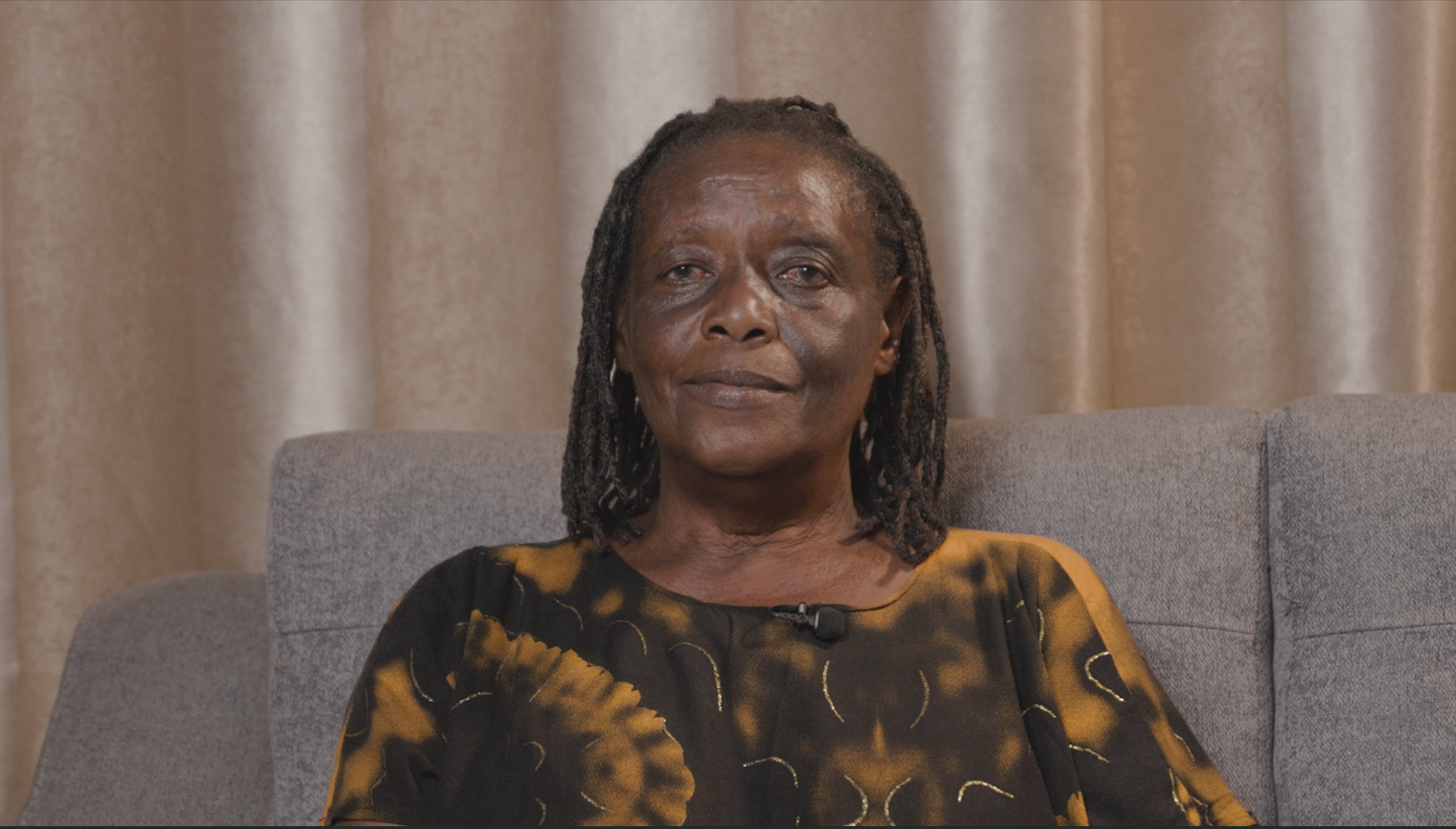
Mukandori Vestine
Southern Province of Rwanda, in what was then Kayenzi commune, Karama sector
|
March 25, 2026
Mukandori Vestine is a survivor of the 1994 Genocide against the Tutsi who lost her husband and all four children. After enduring extreme violence and unimaginable loss, she survived and continues to live with strength, carrying the memory of her family.
Full Testimonial
My name is Mukandori Vestine. I was born on January 1, 1966, in the Southern Province of Rwanda, in what was then Kayenzi commune, Karama sector.
Before the genocide, I was married to Gatorano Bernard, and together we had four children two boys and two girls. They were my life. Today, all of them are gone.
Before the Genocide
When I was a child, I remember events from 1973. I was only seven years old, in primary school, when people began to flee. Houses were burned, and fear spread across the hills. At that time, I did not fully understand what was happening.
Life later returned to normal. I continued my studies and completed primary school. As I grew older, I got married at the age of 18.
My husband was a businessman. He traded cattle, buying cows from the East and selling meat in Kigali, especially in Nyabugogo. We lived a good life. We were not rich, but we had stability, dignity, and hope.
But slowly, things began to change.
Rumors started spreading, accusing people like my husband of supporting the enemy. He was searched many times at home, accused of hiding weapons, and even arrested once. Though he was later released, fear had already entered our lives.
By 1993, the situation had worsened. Political tensions increased, and people began organizing night patrols. Some groups openly said they did not want to include people like us. That is when we understood that something dangerous was coming.
My husband made a difficult decision: every night, we would leave our house and sleep outside in the fields with our children. People questioned him, asking why he would make children sleep outside. But he said:
“I would rather they suffer outside than be killed in their sleep.”
“I would rather they suffer outside than be killed in their sleep.”
That is how fear had already entered our lives before the genocide even began.
During the Genocide
On April 7, 1994, we heard on the radio that the President had died. My husband looked at me and said: “Vestine, this is the end for us.” From that moment, everything stopped. Movement was forbidden. Fear became reality.
On April 7, 1994, we heard on the radio that the President had died. My husband looked at me and said: “Vestine, this is the end for us.” From that moment, everything stopped. Movement was forbidden. Fear became reality.
At first, we stayed home, hoping things would calm down. But on April 14, killings began nearby. That is when my husband decided to send me and the children to a military acquaintance for safety.
When we arrived there, I realized something was not right. There were many people, but we were not safe. My husband stayed behind for a while but later joined us after our home was attacked and burned.
From where we were, we watched our house in flames. Everything we owned was gone.
Life there became a nightmare.
I was forced to work in the fields every day, even while carrying my baby on my back. My children were starving. We were treated as people who were already condemned to die.
For two months, we lived like this — in fear, hunger, and silence.
Then the real killing began.
Loss of My Family
One day, they came for us.
They asked: “Are you the wife of Gatorano?”
I said yes.
They slapped me, beat me, and dragged me. They entered the house and began pulling out children my children, my sisters’ children all of them.
They gathered the children together. Then they forced the older ones to carry the younger ones on their backs.
And they took them away. They threw them into a pit.
All of them. My four children… gone.
That moment has never left me.
The Death of My Husband
My husband tried to hide, but they were looking for him everywhere. He was known as a successful man, and they wanted him.
They found him, chased him, and injured him so he could not escape.They took him to a roadblock, stripped him, humiliated him, and tortured him.They said they wanted him to suffer. In the end, they killed him.
My Survival
After killing my children and my husband, they came back to me.
They demanded money I did not have. They beat me again and gave me a deadline, saying they would come back and kill me.
But before that day came, everything changed. We began to hear gunfire — the Inkotanyi were approaching. The attackers fled. That is how I survived.
When the soldiers found me, I had nothing. No clothes, no strength, no family.
They helped me. They gave me medicine. They gathered us — the few who were still alive.
That is how my life was saved.
After the Genocide
After everything, I was left alone.
My husband was gone. My four children were gone. My family was gone. I had nothing.But I chose to live. Life has not been easy. I live with the pain every day. The memories never leave me.Even today, I carry physical and emotional wounds from that time.
But I remain strong. I am alive because I was helped. I am alive because I did not give up.
I am grateful for the support I received and for the country that continues to help survivors like me.
Today
Today, I live with resilience.
The pain is still there, but I continue.
I remember my husband. I remember my children.
And I tell my story so they will never be forgotten.
And I tell my story so they will never be forgotten.
Comments (0)
No comments yet. Be the first to share your thoughts!
Leave a Comment
Actions
Information
Name
Mukandori Vestine
Location
Southern Province of Rwanda, in what was then Kayenzi commune, Karama sector
Date
March 25, 2026
Category
SURVIVORShare Your Story
Your story matters. Help preserve history by sharing your testimonial.
Share Your Testimonial