
Events Calendar
Explore our events through the years in an interactive timeline
Timeline View
View events in a chronological timeline
March
1 event
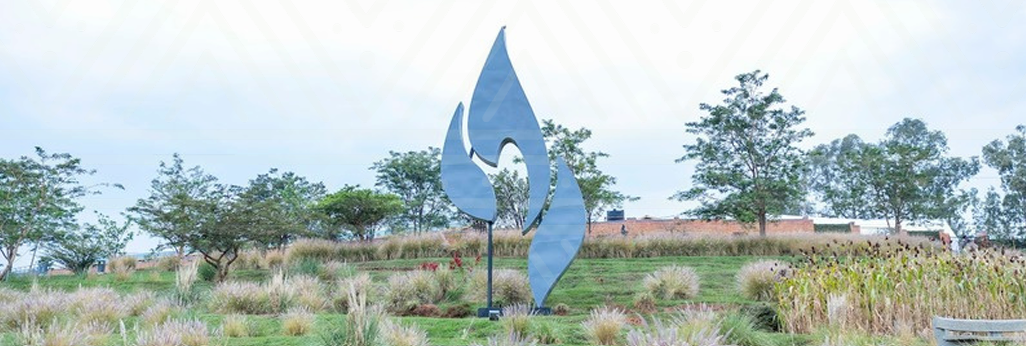
Commemoration of the Genocide against the Tutsi on 11th April at Nyanza-Kicukiro Memorial Site
<div> The Nyanza-Kicukiro Memorial Site marks one of the most tragic events of the genocide, where thousands of Tutsis were abandoned by UN peacekeepers and later massacred. Holding a commemoration here strengthens historical memory and reminds the international community of its responsibility to prevent atrocities. <br><br> Key Activities: The Nyanza-Kicukiro Memorial Site marks one of the most tragic events of the genocide, where thousands of Tutsis were abandoned by UN peacekeepers and later massacred. Holding a commemoration here strengthens historical memory and reminds the international community of its responsibility to prevent atrocities. A Walk to Remember from ETO-Kicukiro to Nyanza Memorial. Organizing a candlelight vigil and wreath-laying ceremony in honor of the victims. Hosting testimonies from survivors who lived through the events of April 11, 1994. Media coverage and documentation to raise global awareness. </div>
April
1 event

IBUKA30 “Our Memory, Our Future.”
<div>Established on 14 December 1995, IBUKA emerged as a unified voice for survivors of the 1994 Genocide against the Tutsi, defending truth, preserving memory, supporting justice, and restoring dignity. Over the past 30 years, IBUKA has grown into a respected national and global institution leading efforts in remembrance, survivors’ welfare, documentation, prevention of genocide ideology, and intergenerational unity.<br> <br>The year 2025/2026 marks a historic milestone: <strong>three decades of resilience, advocacy, and transformation.</strong> In collaboration with MINUBUMWE and partners, IBUKA has prepared a comprehensive anniversary program culminating on <strong>8 April 2026</strong>, with coordinated activities before, during, and after the main event. <br><br>Under the theme “<strong>Our Memory, Our Future</strong>,” this milestone presents an opportunity to honor the journey of survival, reflect on achievements, empower new generations, reinforce global solidarity, and launch long-term initiatives, such as the <strong>Nyanza Memory Preservation Village and the IBUKA Trust Fund. <br></strong><br></div><div> I. <strong> Purpose and Significance</strong></div><div><strong><em> Main Purpose </em></strong></div><div>To honor IBUKA’s 30-year journey and strengthen intergenerational engagement, community resilience, and global action in safeguarding memory and shaping a future rooted in truth and dignity. <br><strong>Significance</strong></div><blockquote><em> Honor survivors and remember victims with respect and unity. <br> Recognize IBUKA’s achievements in justice, memory, and survivor welfare. <br> Prepare and inspire youth as custodians of remembrance and national values. <br> Reinforce international solidarity in confronting genocide ideology and denial. <br> Introduce visionary, sustainable projects for IBUKA’s next decades. </em><ul><li><strong> II. Objectives </strong></li><li><strong> Main Objective </strong></li></ul></blockquote><div>To mark 30 years of IBUKA’s mission in remembrance, justice, and survivor support, while charting a long-term vision that strengthens unity and shapes a responsible future. <br><br></div><blockquote><ul><li><strong> Specific Objectives </strong></li></ul></blockquote><div> Express gratitude to RPF–Inkotanyi and national leadership for ending the Genocide and restoring dignity to survivors. <br> Honor IBUKA’s founders, leaders, and members for their commitment since 1995. <br> Reflect on 30 years of achievements, challenges, and lessons learned.<br> Strengthen intergenerational continuity and launch sustainable initiatives, ensuring institutional resilience. </div>
May
1 event
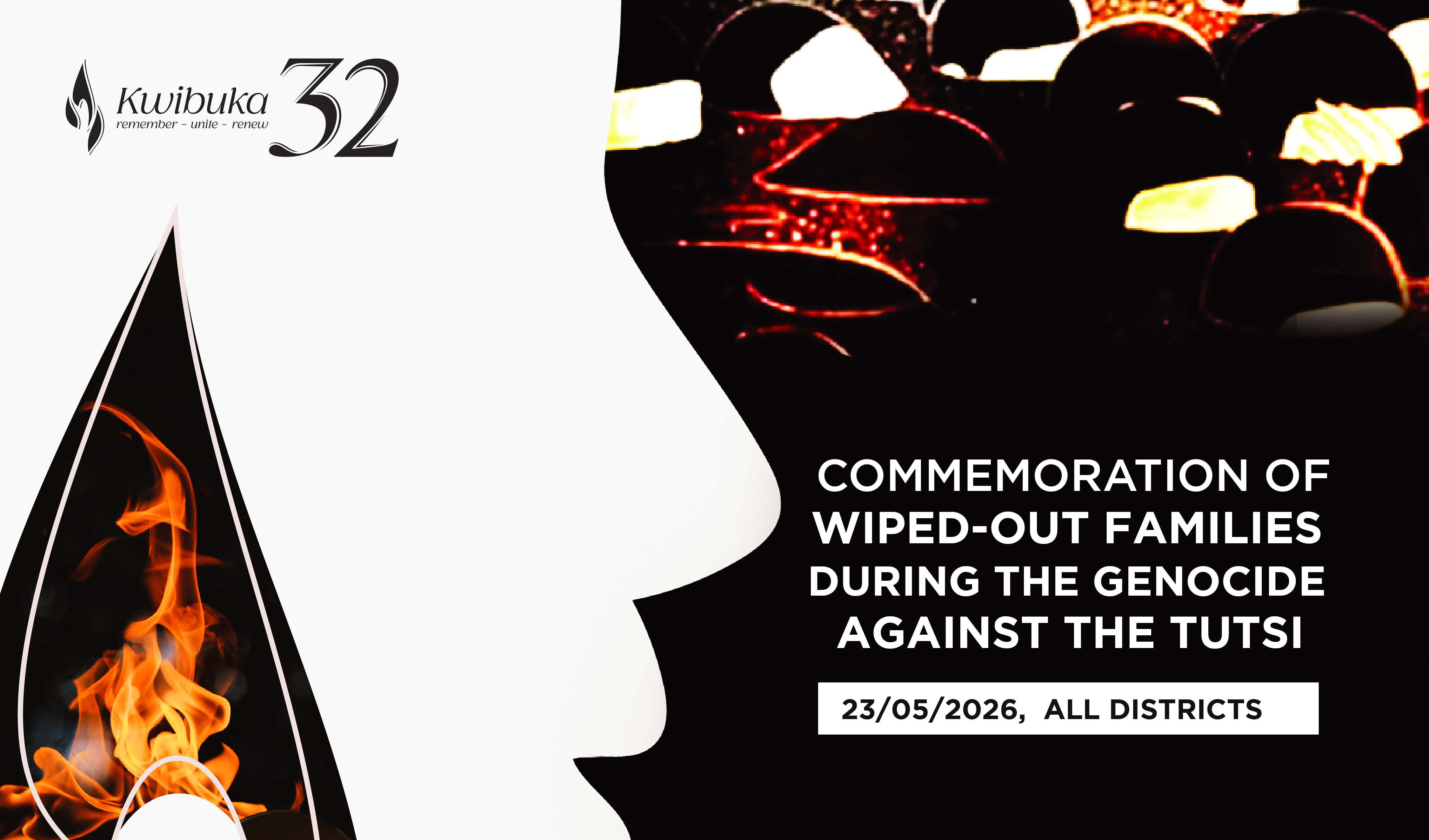
Commemoration Events for Families Completely Wiped Out
<div><strong>Commemoration of Families Completely Wiped Out</strong> </div><div>Over <strong>15,000 Tutsi families</strong> were completely exterminated during the <strong>Genocide against the Tutsi in 1994</strong>, leaving no direct descendants to remember them. </div><div>Since its inception, this commemoration has been organized in different districts across the country. <strong>This year, the commemoration of Families Completely Wiped Out is scheduled for 23rd May 2025.</strong> </div><div>Distinct from previous years—when the event was organized at a single site at the national level—this year the commemoration will be held <strong>in each district across the country</strong>. </div><div><strong>IBUKA</strong>, in partnership with local authorities, will select <strong>one sector and venue in each district</strong> to host the event, preferably on the same date. </div><div>The activity will bring together: </div><ul><li>Leaders from the <strong>district level to the village level</strong></li><li><strong>Survivors</strong></li><li>Members of the <strong>general public</strong></li><li>Representatives of <strong>IBUKA at the national level</strong></li><li><strong>Guest officials</strong></li></ul><div><br>Criteria for Selecting the Sector and Venue<br> <br>The selection of the sector and venue will be based on the following criteria:<br> </div><ol><li><strong>Availability of a safe and spacious venue</strong>, preferably located near a <strong>Genocide Memorial Site</strong>, to facilitate the <strong>Walk to Remember</strong>.</li><li><strong>Presence of a significant number of families who were completely wiped out</strong>, based on data compiled by IBUKA.</li><li><strong>Historical relevance to the preparation and implementation of the 1994 Genocide against the Tutsi</strong>, including documented evidence of planning and execution in the selected area.</li></ol><div><br>Key Objectives</div><ul><li><strong>Remember and document</strong> families who were completely exterminated.</li><li><strong>Preserve the memory</strong> of the genocide and <strong>fight genocide ideology</strong>.</li><li><strong>Educate the younger generation</strong> about the genocide and its consequences.</li></ul><div> </div>